
2024
UNODC: Vehicle and container search
Interactive VR training that lets officers practise systematic searches, inspect concealment areas and identify suspicious items in a repeatable virtual environment.
VR trainingSecurity
การฝึกอบรมด้วย VR
ฝึกขั้นตอนความปลอดภัย การตรวจค้น และการสนทนากับลูกค้า ผ่าน VR หรือคอมพิวเตอร์ เริ่มจากหนึ่งสถานการณ์ที่ออกแบบสำหรับทีมของคุณ
3 โครงการสำหรับ UNODCสำนักงานว่าด้วยยาเสพติดและอาชญากรรมแห่งสหประชาชาติ
การฝึกอบรมบริการลูกค้าสำหรับ AISสถานการณ์โต้ตอบที่ถ่ายทำเป็นภาษาไทย
เริ่มจากหนึ่งสถานการณ์กำหนดเป้าหมายการเรียนรู้และเกณฑ์การตรวจรับร่วมกันก่อนขยายโครงการ
ปรึกษาเกี่ยวกับสถานการณ์ฝึกอบรม
บอกเราเกี่ยวกับขั้นตอนที่ต้องการฝึก ผู้เรียน และอุปกรณ์ที่วางแผนจะใช้ เราจะตอบกลับพร้อมแนวทางเริ่มต้น และนัดพูดคุยเพิ่มเติมหากจำเป็น
เริ่มจากรายละเอียดคร่าว ๆ ได้ ยังไม่จำเป็นต้องมีข้อกำหนดโครงการที่สมบูรณ์
กรอกข้อความเป็นภาษาไทยได้ หรือส่งข้อความหาเราทาง LINE ได้โดยตรง
เราจะใช้ข้อมูลที่คุณส่งมาเพื่อตอบคำถามและประสานงานเกี่ยวกับโครงการของคุณ อ่าน นโยบายความเป็นส่วนตัว.
ทีมอุตสาหกรรมและโลจิสติกส์
ฝึกสังเกตอันตราย ปฏิบัติตามขั้นตอนฉุกเฉิน และสื่อสารในสภาพแวดล้อมจำลองของสถานที่ทำงาน
เจ้าหน้าที่บังคับใช้กฎหมายและทีมรักษาความปลอดภัย
ฝึกตรวจค้นอย่างเป็นระบบ จัดการหลักฐาน และตัดสินใจ ผ่านสถานการณ์ที่ออกแบบตามขั้นตอนการทำงานของคุณ
ทีมบริการลูกค้าและผู้ที่ทำงานติดต่อกับผู้คน
ฝึกบทสนทนาที่ท้าทายผ่านวิดีโอสถานการณ์หรือการสวมบทบาทกับ AI ให้ผู้เรียนได้ลองตอบ ทบทวน และฝึกซ้ำ
ตัวอย่างโครงการฝึกอบรม
ดูโครงการที่ส่งมอบแล้วและเดโมโรงกลั่น กรณีศึกษาแต่ละโครงการอธิบายบริบท รูปแบบ และงานที่เรารับผิดชอบ (ภาษาอังกฤษ)
Interactive VR training that lets officers practise systematic searches, inspect concealment areas and identify suspicious items in a repeatable virtual environment.
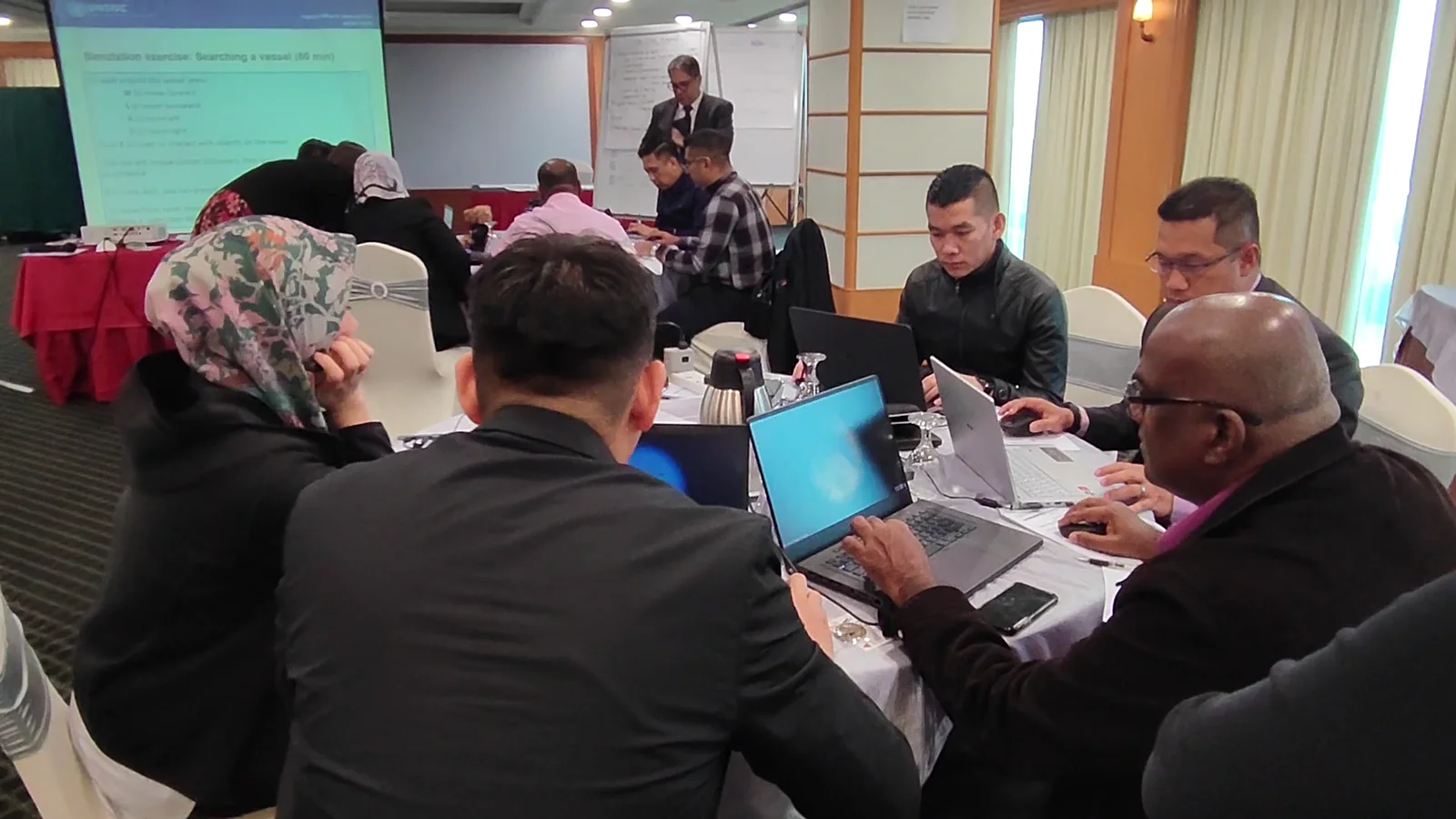
An interactive vessel-search simulation where officers explore confined spaces, locate evidence and practise investigation procedures on standard laptops.
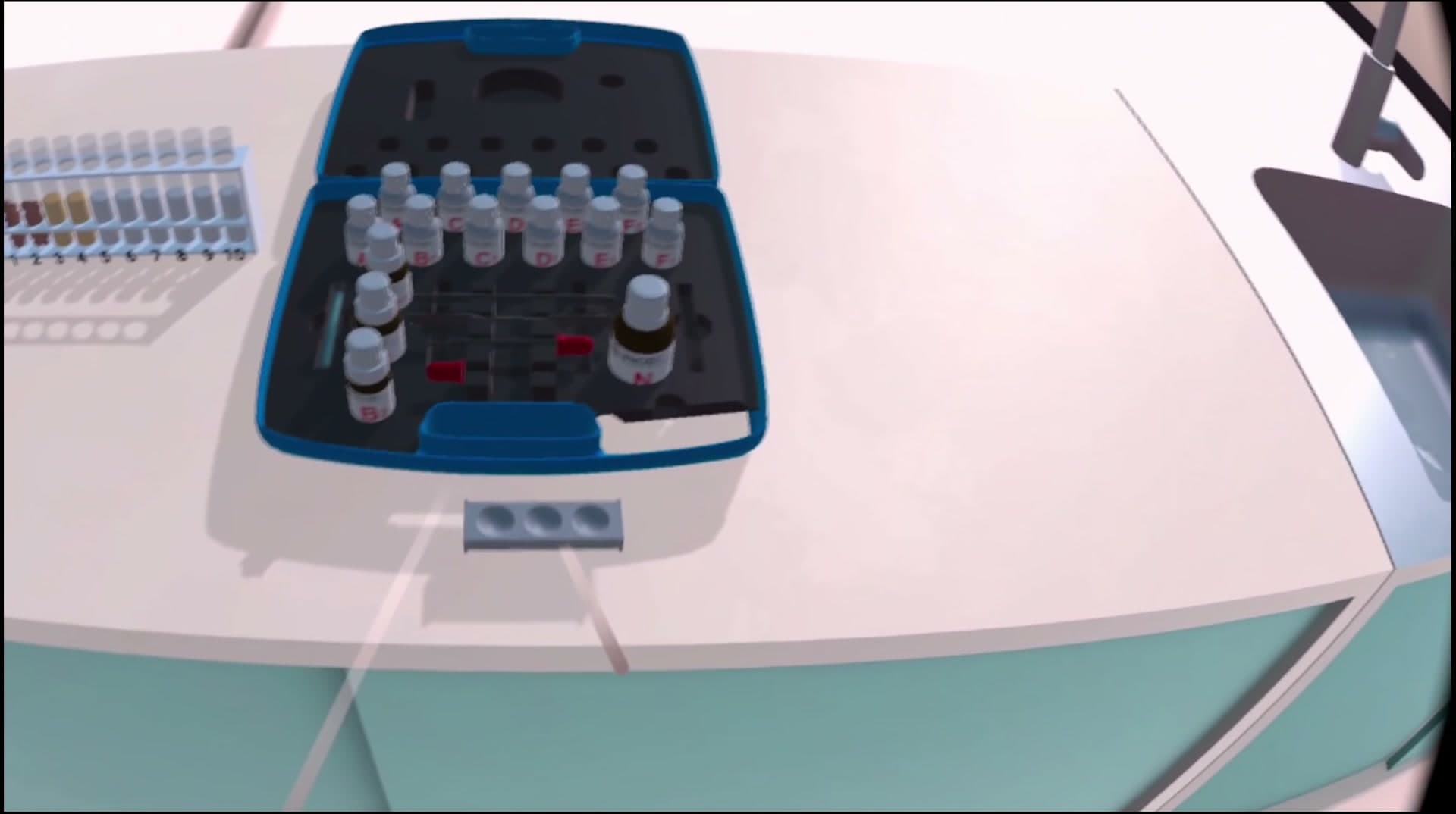
A virtual laboratory for practising drug and precursor test-kit procedures, with interactive equipment and guided steps that learners can repeat during training.
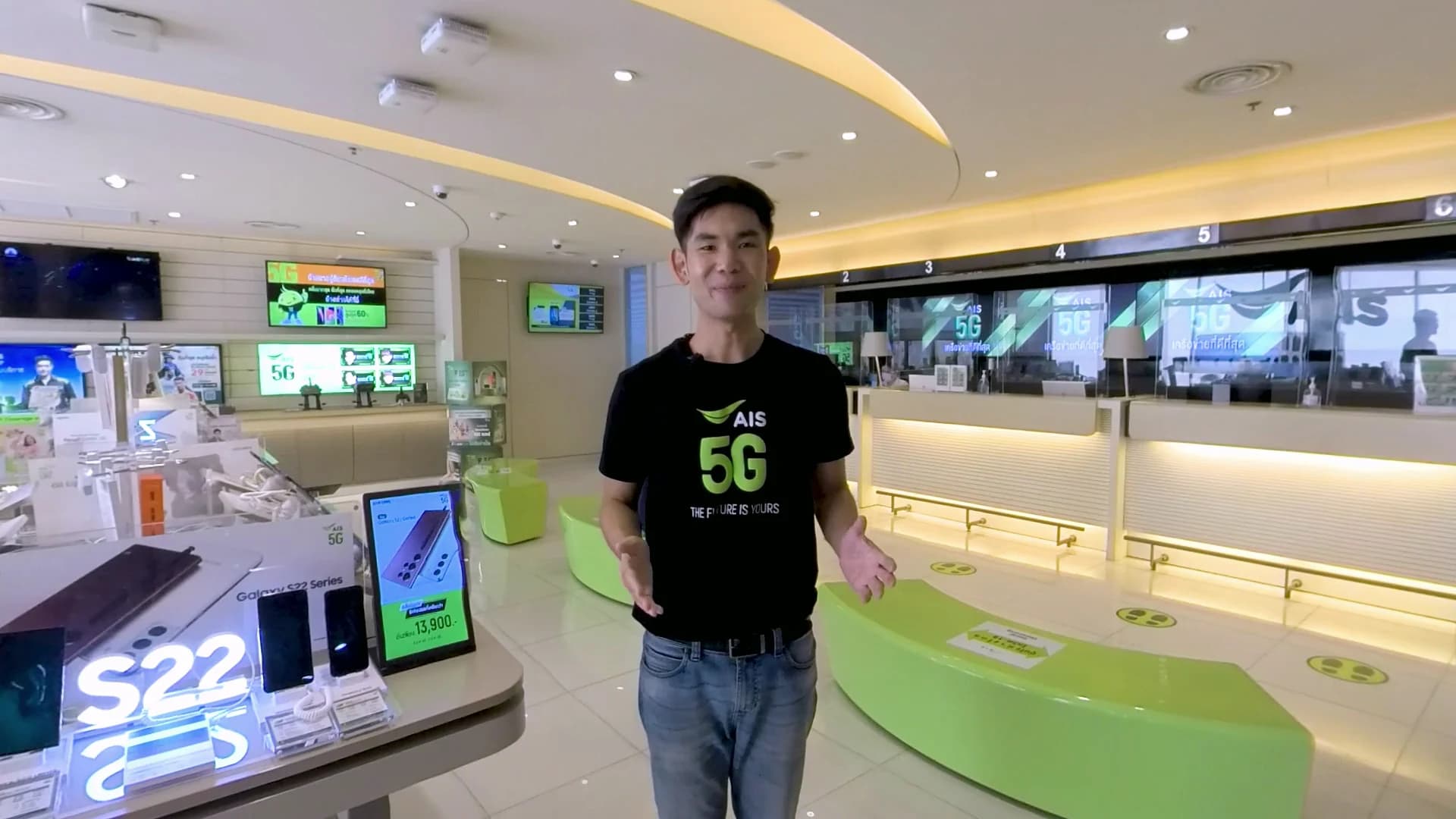
Interactive 360° scenarios filmed in Thai help AIS teams practise customer conversations and service decisions, with delivery through WarpVR on headsets and mobile devices.
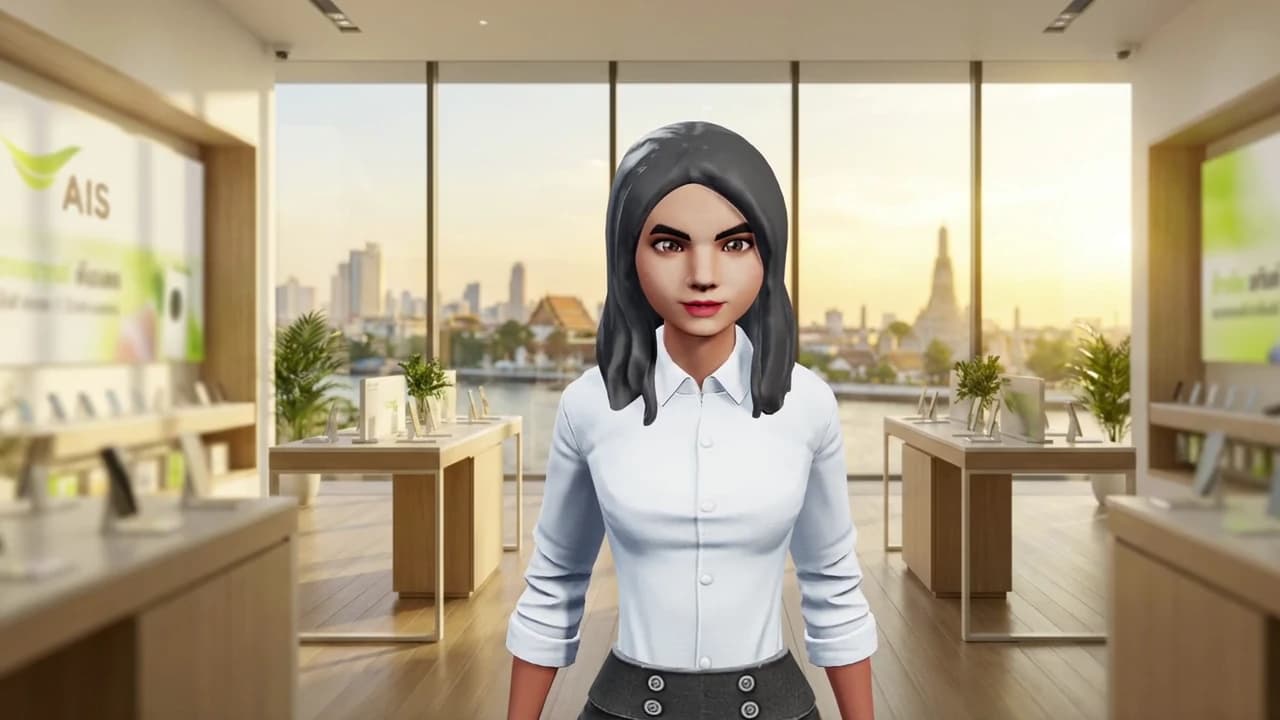
Building a browser-based role-play platform with responsive AI characters, practitioner-led feedback and a deliberate approach to the uncanny valley.
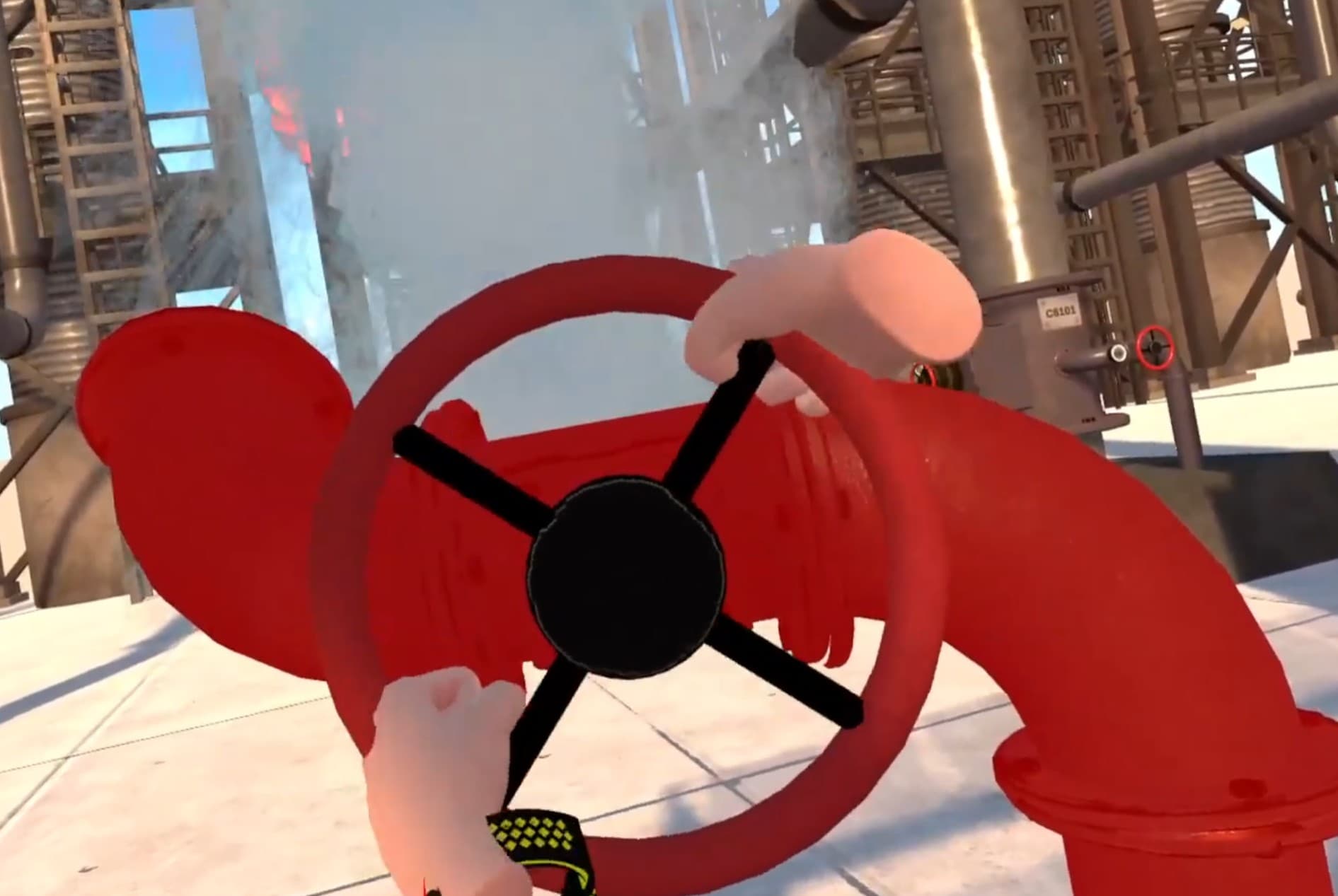
A VR demonstration for practising refinery emergency response, combining equipment interaction with communication between the trainee and a facilitator.
เรากำหนดขอบเขตโครงการนำร่องจากหนึ่งสถานการณ์ กลุ่มผู้เรียนที่ชัดเจน และเกณฑ์ความสำเร็จที่ตกลงร่วมกัน ข้อเสนอจะระบุงานที่ส่งมอบ ขั้นตอนตรวจทาน อุปกรณ์ ราคา และแผนหลังการทดลอง โครงการนำร่องที่มีขอบเขตชัดเจนเสนอราคาแบบเหมาจ่าย ส่วนการขยายใช้งานและการดูแลต่อเนื่องจะแยกขอบเขตต่างหาก
เตรียมขั้นตอนการทำงาน เป้าหมายการฝึกอบรม และตัวอย่างการตัดสินใจที่ผู้เรียนต้องทำ เราจะตกลงสถานการณ์และวิธีประเมินร่วมกัน
เริ่มจากแบบฝึกที่มีเป้าหมายชัดเจน ให้ผู้เชี่ยวชาญของคุณตรวจทานสภาพแวดล้อม การโต้ตอบ และข้อเสนอแนะก่อนขยายขอบเขต
วางแผนอุปกรณ์ ขั้นตอนของผู้ฝึกสอน และการนำไปใช้ร่วมกัน พร้อมตกลงเรื่องรายงาน เอกสาร และการดูแลต่อเนื่อง
ใช้ VR สำหรับการฝึกปฏิบัติที่ต้องอาศัยพื้นที่และการเคลื่อนไหว หรือใช้แบบจำลองบนคอมพิวเตอร์เมื่อมีข้อจำกัดด้านแว่น VR เราจะกำหนดอุปกรณ์และวิธีประเมินร่วมกับคุณ
แบบฝึกที่เกี่ยวกับการสนทนาหรือการใช้วิจารณญาณอาจใช้การสวมบทบาทและข้อเสนอแนะจาก AI ได้ เราจะตกลงขอบเขต การกำกับดูแลโดยผู้ฝึกสอน และข้อกำหนดด้านข้อมูลในช่วงเก็บความต้องการ
ต้นทุนหลักขึ้นอยู่กับสภาพแวดล้อม การโต้ตอบของผู้เรียน เส้นทางของสถานการณ์ และวิธีประเมิน ควรเผื่องบสำหรับแว่น VR การจัดการอุปกรณ์ การแปล และการดูแลต่อเนื่อง เราจะกำหนดขอบเขตโครงการนำร่องก่อนเสนอราคา เพื่อให้เห็นว่างานใดรวมอยู่และงานใดทำภายหลังได้
ไม่จำเป็น เราพัฒนาแบบจำลองสำหรับแล็ปท็อปทั่วไปด้วย VR เหมาะกับการฝึกที่ต้องรับรู้พื้นที่และโต้ตอบ ส่วนคอมพิวเตอร์เหมาะกับการตรวจค้น การตัดสินใจ และการฝึกขั้นตอนเมื่อใช้แว่นไม่สะดวก โดยเลือกรูปแบบตามเป้าหมายการเรียนรู้และบริบทการใช้งาน
เราพัฒนาแบบฝึกตามสถานที่ทำงาน ขั้นตอน และอุปกรณ์ของคุณได้ โดยผู้เชี่ยวชาญของคุณต้องตรวจทานสถานการณ์และการประเมิน เดโมการฝึกเหตุฉุกเฉินในโรงกลั่นของเรารวมการใช้อุปกรณ์กับการสื่อสารระหว่างผู้เรียนและผู้ฝึกสอน
กำหนดสิ่งที่สังเกตและวัดได้ก่อนพัฒนา เช่น ขั้นตอนที่ทำสำเร็จ การตรวจสอบที่ตกหล่น การตัดสินใจ และข้อมูลที่ผู้ฝึกสอนต้องการ ทดสอบโครงการนำร่องกับกลุ่มผู้เรียนตัวแทนและเปรียบเทียบกับการฝึกแบบเดิม คะแนนในแบบจำลองเพียงอย่างเดียวไม่ได้ยืนยันความสามารถในการทำงานจริง