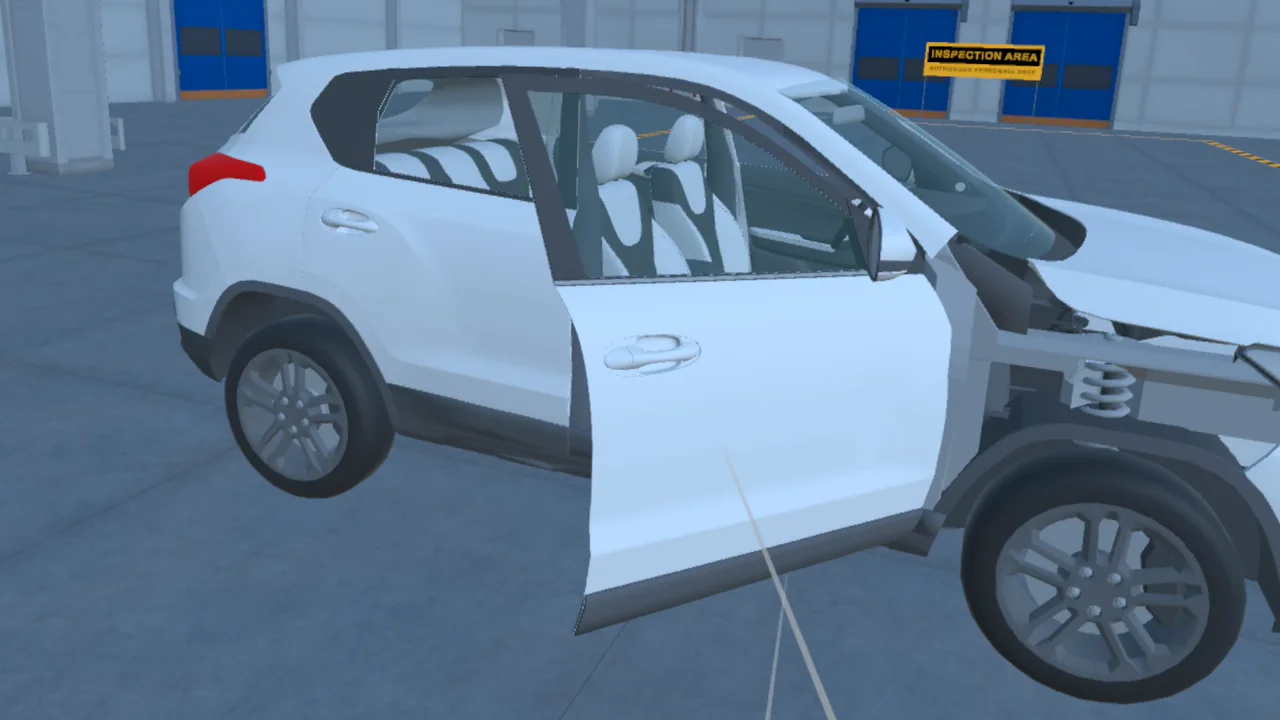
2024
UNODC: Vehicle and container search
Interactive VR training that lets officers practise systematic searches, inspect concealment areas and identify suspicious items in a repeatable virtual environment.
VR trainingSecurity
VR training
Turn your procedures into realistic VR and desktop exercises. We have delivered three training projects for UNODC, alongside customer-service and industrial scenarios, and can start with one focused pilot for your team.
Plan your training pilot3 projects for UNODCUnited Nations Office on Drugs and Crime
Customer-service training for AISInteractive scenarios filmed in Thai.
Start with one scenarioAgree the learning goals and acceptance criteria before expanding.
Industrial and logistics teams
Rehearse hazard recognition, emergency procedures and communication in a simulated version of your working environment.
Law enforcement and security teams
Practise systematic searches, evidence handling and decisions through scenarios built around your procedures.
Customer-service and people-facing teams
Rehearse difficult conversations through filmed scenarios or AI role-play. Give learners room to try a response, reflect and practise again.
Selected training projects
Explore delivered projects and the refinery demo. Each case study explains the context, format and our contribution.
Interactive VR training that lets officers practise systematic searches, inspect concealment areas and identify suspicious items in a repeatable virtual environment.
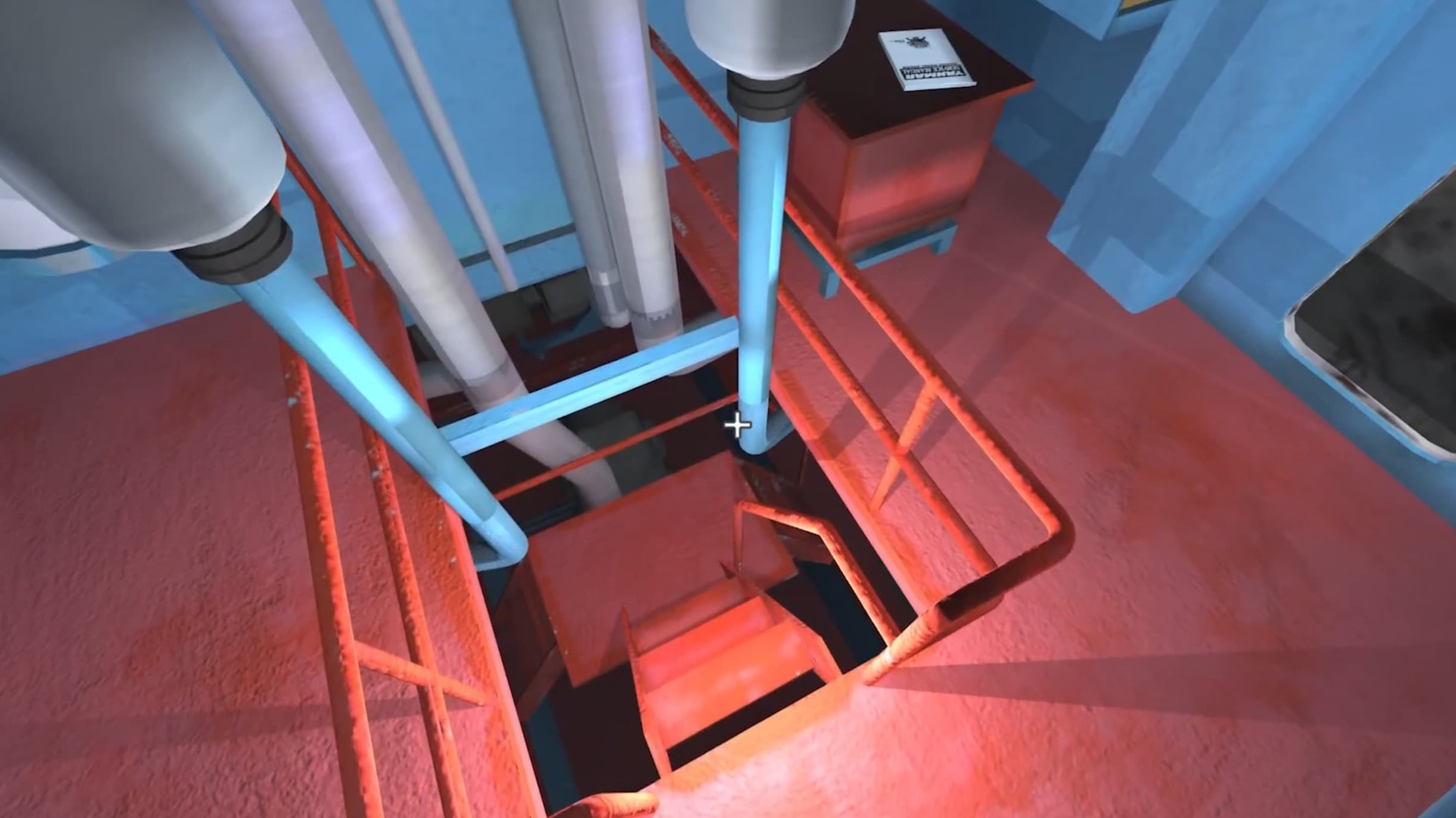
An interactive vessel-search simulation where officers explore confined spaces, locate evidence and practise investigation procedures on standard laptops.
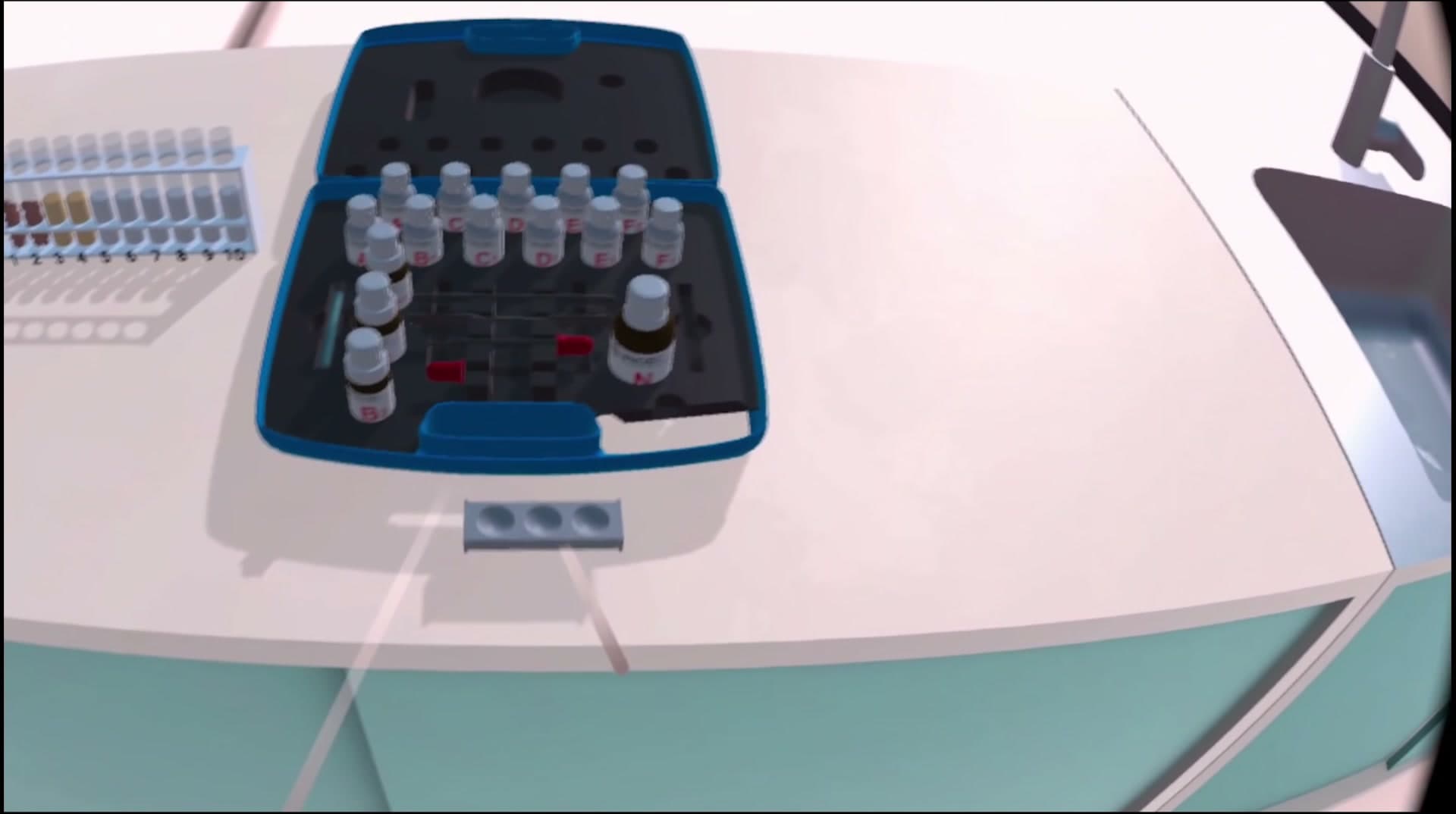
A virtual laboratory for practising drug and precursor test-kit procedures, with interactive equipment and guided steps that learners can repeat during training.
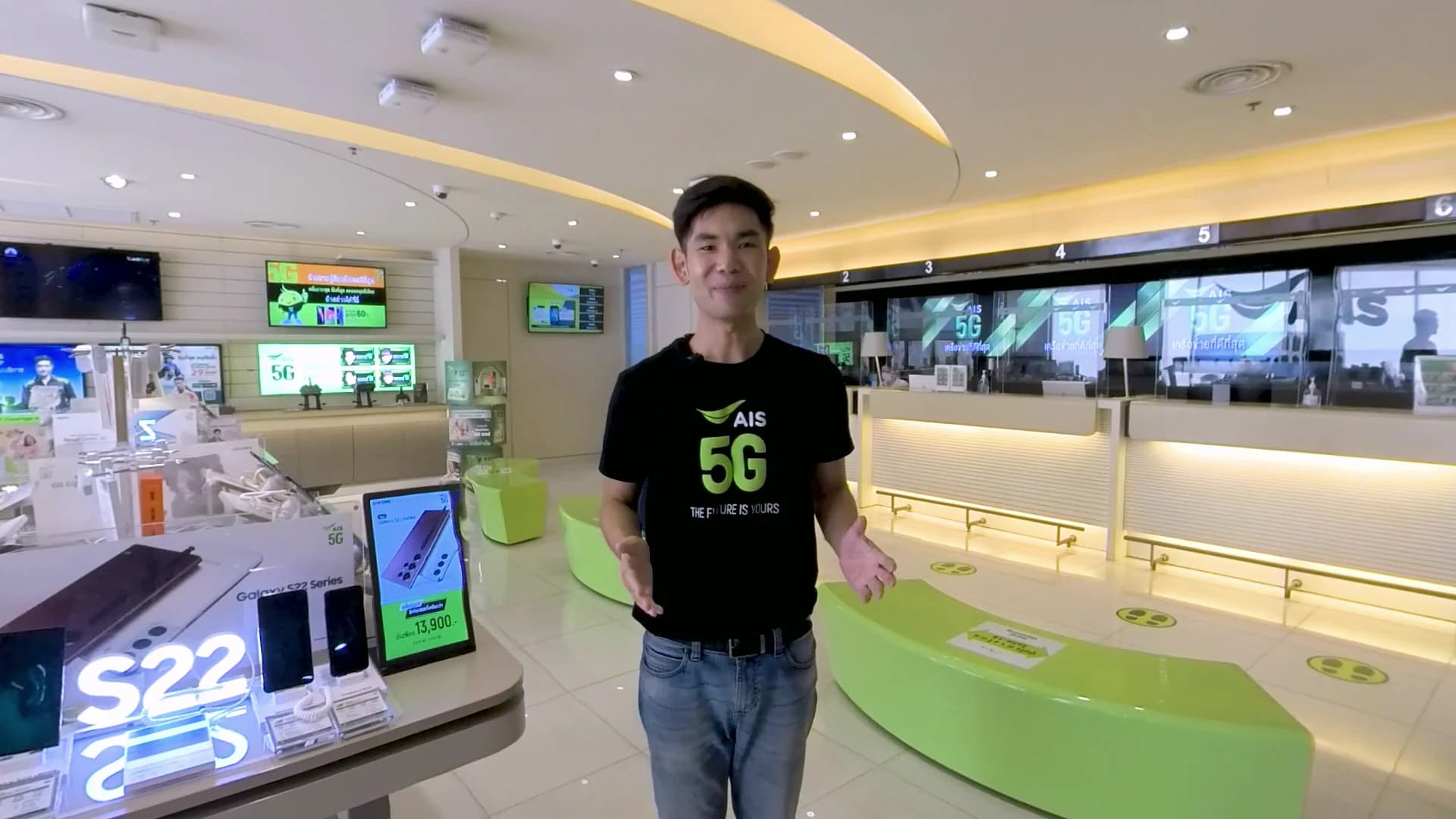
Interactive 360° scenarios filmed in Thai help AIS teams practise customer conversations and service decisions, with delivery through WarpVR on headsets and mobile devices.

Building a browser-based role-play platform with responsive AI characters, practitioner-led feedback and a deliberate approach to the uncanny valley.
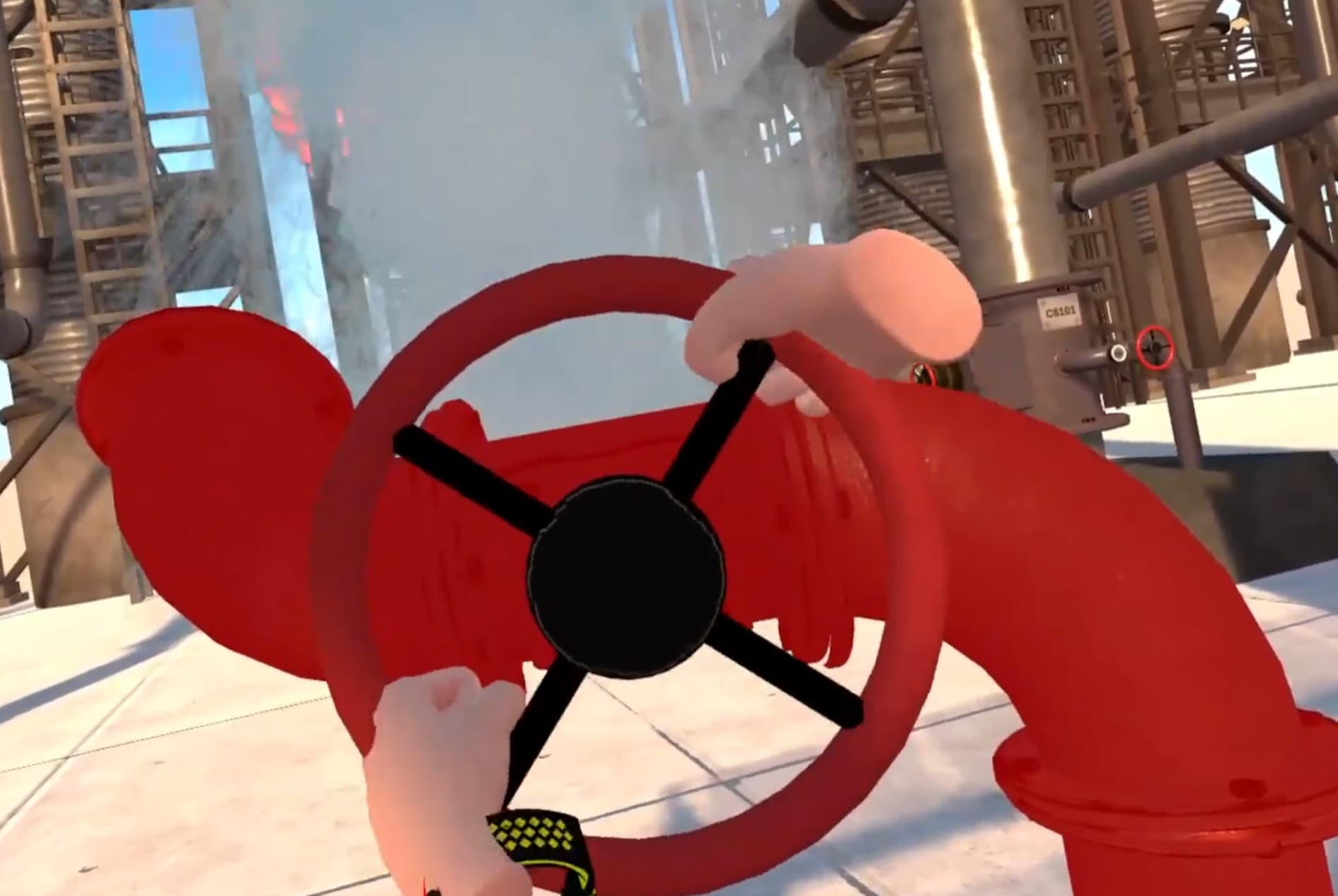
A VR demonstration for practising refinery emergency response, combining equipment interaction with communication between the trainee and a facilitator.
We scope a pilot around one scenario, a defined learner group and agreed success criteria. Your proposal sets out the deliverables, review stages, devices, price and what happens after the pilot. A defined pilot is quoted as a fixed fee; rollout and ongoing support are scoped separately.
Bring your procedures, training objectives and examples of the decisions people need to make. We agree the scenario and how it should be assessed.
Start with a focused exercise. Your subject specialists review the environment, interactions and feedback before the scope expands.
Plan the devices, facilitator workflow and rollout together. Agree reporting, documentation and ongoing support as part of the project.
Use VR for spatial, hands-on practice, or desktop simulations when access to headsets is limited. We scope the devices and assessment requirements with you.
For exercises involving conversation or judgement, we can explore AI role-play and feedback. We agree its scope, trainer oversight and data requirements during discovery.
The main cost drivers are the environments, trainee interactions, branching scenarios and assessment requirements. Headsets, device management, translations and ongoing support also need a budget. We scope a focused pilot before quoting, so you can see what is included and what can wait.
No. We also build desktop simulations for standard laptops. VR suits exercises where spatial awareness and interaction matter; desktop delivery can suit searches, decisions and procedural practice when headsets are impractical. The learning objective and delivery setting determine the format.
We can develop exercises around your workplace, procedures and equipment. Your subject specialists need to review the scenario and assessment. Our refinery emergency-training demo combines equipment interaction with communication between a trainee and a facilitator.
Agree the observable tasks before development: steps completed, missed checks, decisions and the feedback a trainer needs. Test the pilot with representative learners and compare their performance with your existing training approach. A simulation’s completion score alone does not establish workplace competence.
Discuss a training scenario
Tell us about the procedure, learners and devices you have in mind. We’ll reply with the most practical first step and arrange a call if it makes sense.
A short outline is enough. You do not need a finished specification.