Goethe-Institut: Bringing VR into a live broadcast
For Goethe-Institut Thailand's Digital Learning Week in October 2020, we prepared the VR content for a programme that brought German-language learning online. The event ran from 5 to 9 October, with students joining from schools across Thailand or watching the livestream on their computers and phones.
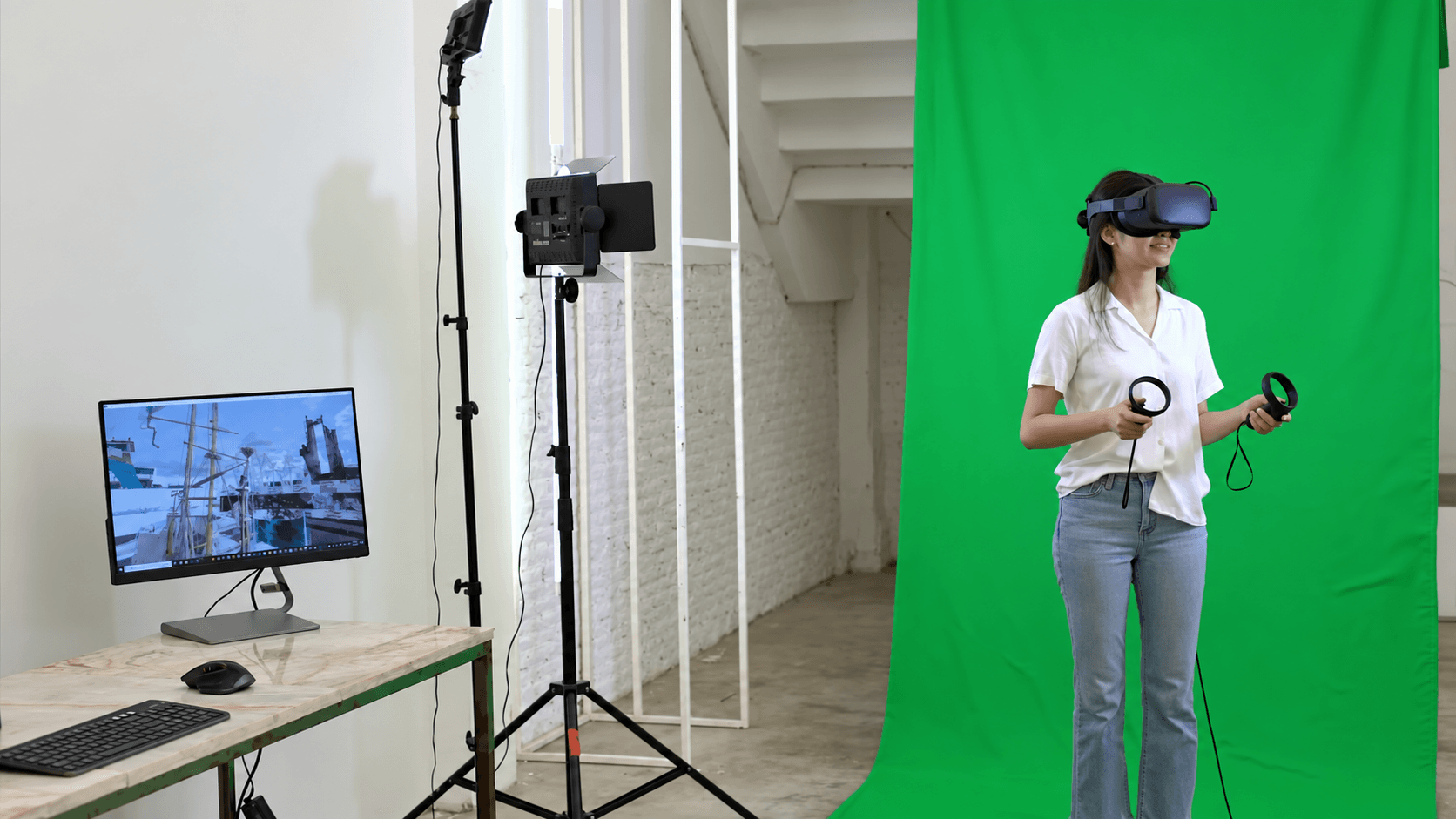
The VR segment introduced virtual travel into the broadcast. The preview above shows a presenter using the headset during the 8 October livestream. The format was designed around presenters exploring 360° footage, with the online audience invited to ask them to look around the scene. Goethe's team wanted material from German-speaking countries to connect the activity with the wider language programme.
Preparing the headset experience
We checked Goethe's proposed films for 360° playback and compatibility with the Oculus Quest. This meant testing the actual content: one selection was a conventional video, while another was a still-image tour that did not work with the headset setup.
We loaded the compatible Austrian 360° film onto the Quest and asked for replacement videos for the other selections. Preparing the material on the headset before the event gave the production team a tested starting point for the VR segment.
Making room for VR in the broadcast
The agreed production plan allocated a separate computer to virtual tours, alongside the machines handling Zoom and the main broadcast. This gave the VR content its own place in a programme that moved between presenters and remote participants.
We worked from Goethe's theatre during the event week. The completed livestream included 360° video content, putting the headset activity into a format that the wider audience could follow on an ordinary screen.
Planning a similar project?
Explore virtual tours that help people look around a campus, property or business facility from a distance.